Total Museum Melodrama
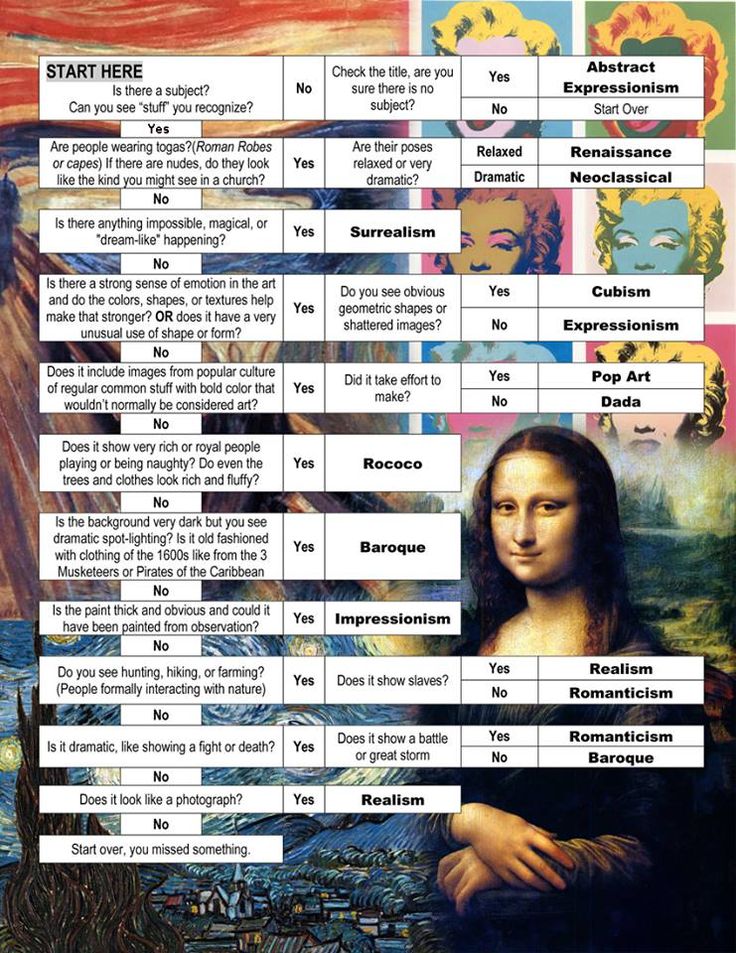
If your creative heart skips a beat for massive, sweeping emotions, cinematic lighting, or grand human storytelling, you’re pulling from the ultimate historical trendsetters of high drama.
But don’t worry—you don’t need a history degree to spot them.
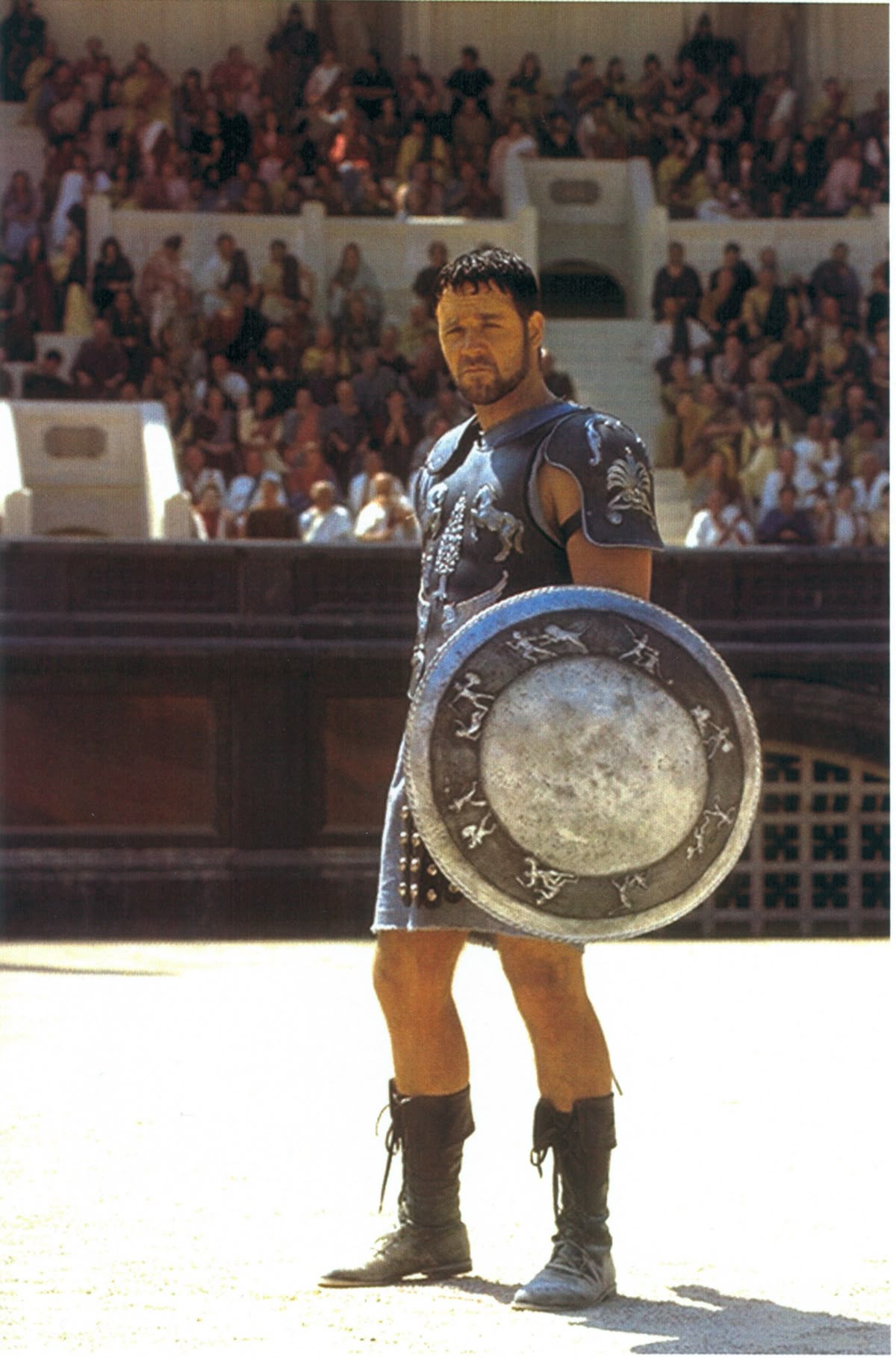
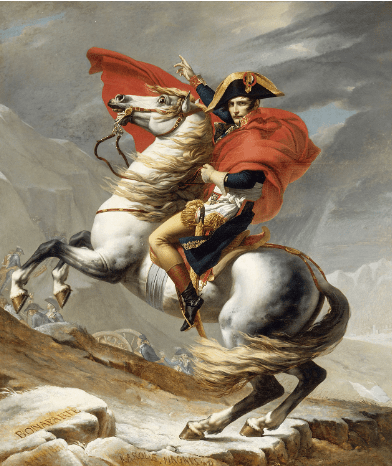
The “Roman Holiday” Look (Neoclassical)
If your creative heart skips a beat for massive, sweeping emotions, cinematic lighting, or grand human storytelling, you’re pulling from the ultimate historical trendsetters of high drama.
But don’t worry—you don’t need a history degree to spot them.
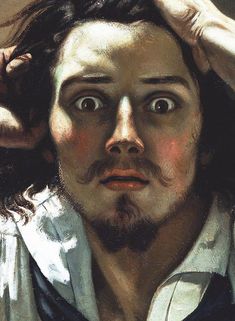
The “Hollywood Flashlight” Technique (Baroque)
Think of this style as the original cinematic thriller.
If you see an incredibly dark, pitch-black background contrasted against a dramatic, harsh beam of light cutting across the subject—like someone is telling a ghost story with a flashlight under their chin—you’re looking at this style.
It’s highly theatrical, intense, and handles light like a weapon to make everything look incredibly moody.
Competition-Based Pricing
Compare
Look at similar artists, their medium, and their experience. Compare prices, then adjust for your materials, skill, and uniqueness. Great for emerging artists, prints, or custom products.
Pros: Quick start, market awareness, competitive edge.
Cons: Can hurt self-esteem, may undervalue unique work, risk of a “race to the bottom.”
Look Out For Next Month’s Post!
The Free Spirits: Unlocking the Dreamscapes of Expressionism & Surrealism 🌌
Example:
Painting: 100 × 100 cm (1 m²) oil on canvas
Time: 32 hours at R150/hour = R4,800
Materials: Canvas R1,000, paints R500 = R1,500
Markup 20%: (4,800 + 1,500) × 0.2 = R1,260
Artist Price: R4,800 + R1,500 + R1,260 = R7,560
Gallery Price (50% commission): R7,560 × 1.5 = R11,340
Pros: Objective, covers costs, easy to justify.
Cons: Can feel like you’re paid per hour rather than value, spreadsheets required.
Intuitive Pricing
You look at a painting and let your gut decide. It’s flexible and personal—but inconsistent.
Pros: Personal connection, flexibility.
Cons: Often underprices work, hard to scale, inconsistent.
Sliding Scale (Per Square Inch / cm)
The Free Spirits: Unlocking the Dreamscapes of Expressionism & Surrealism 🌌
Next month, we are leaving the dramatic movie sets behind and diving headfirst into the subconscious mind. We’ll look at the ultimate cheat codes for spotting artwork that feels like a beautiful dream (or a psychological rollercoaster)—including melting clocks, distorted shapes, and why painting your deepest feelings is the ultimate superpower.
You won’t want to miss it!